SPECTROPHOTOMETERS
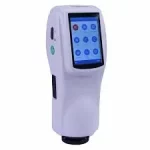
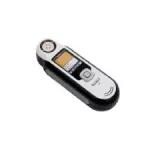
Spectrophotometers for chemical testing are versatile scientific instruments used to measure the absorption, transmission, or reflection of light by substances as a function of wavelength. They are invaluable tools in various fields, including chemistry, biology, physics, and environmental science.
ATTRIBUTES
Working Principle
- Spectrophotometers work based on the principles of spectroscopy, which involves the interaction between light and matter.
- A light source emits a broad range of wavelengths, often from ultraviolet (UV) to visible (VIS) to near-infrared (NIR) regions.
- The emitted light passes through or interacts with a sample.
- A detector measures the intensity of the light after it has passed through the sample.
- The instrument then generates a spectrum, which is a plot of light intensity as a function of wavelength.
Components
- Light Source: Typically, a tungsten filament lamp for visible and near-infrared regions and a deuterium or xenon arc lamp for ultraviolet regions.
- Monochromator: Selectively isolates individual wavelengths from the light source.
- Sample Compartment: Where the sample is placed for analysis.
- Detector: Converts the light intensity into an electrical signal.
- Display and Data Output: Presents the results as a spectrum and may have options for data storage and export.
Maintenance
- Routine calibration with standard reference materials.
- Cleaning of optical components and sample holders.
- Verification of instrument performance with known reference samples.
- Regular lamp replacement for UV-visible spectrophotometers chemical tester.
Key Features
- Chemical Analysis: Used to determine concentrations of analytes in solutions, including quantitative analysis of chemicals in pharmaceuticals and environmental samples.
- Life Sciences: Applied in biology and biochemistry for DNA, RNA, and protein quantification, as well as enzyme kinetics.
- Materials Science: Used to study material properties, such as bandgap energy in semiconductors.
- Environmental Monitoring: Measures the concentration of pollutants in air and water samples.
- Food and Beverage Industry: Assesses the quality and composition of food and beverages.
- Pharmaceuticals: Analyzes drug compounds and ensures product quality.Research and Development: Supports a wide range of scientific research endeavors.
Applications
- Laboratory Testing: Used in chemistry, biology, and research laboratories for various experiments.
- Environmental Monitoring: Assess water quality in natural bodies of water, wastewater treatment plants, and more.
- Food and Beverage Industry: Ensure the pH of food and beverages falls within acceptable ranges for safety and taste.
- Pharmaceutical Industry: Critical for quality control during drug manufacturing.
- Agriculture: Monitor soil pH for crop management and soil health assessment.
- Pool and Spa Maintenance: Ensure safe and comfortable swimming conditions.
- Industrial Processes: Used in manufacturing to control pH levels in chemical processes.
© 2022 All Rights Reserved.